by Emily at One Lovely Life food blog
Make brunch a breeze and impress guests with a beautiful brunch spread by incorporating frozen fruits and veggies into your meal. Not only are frozen fruits and veggies incredibly versatile, but they also pack as much nutritional value as the fresh varieties. Whether you’re looking to whip up something sweet or savory, you’ll want to give these easy brunch recipes a try:
Video Description: Facebook Live with Emily from One Lovely Life
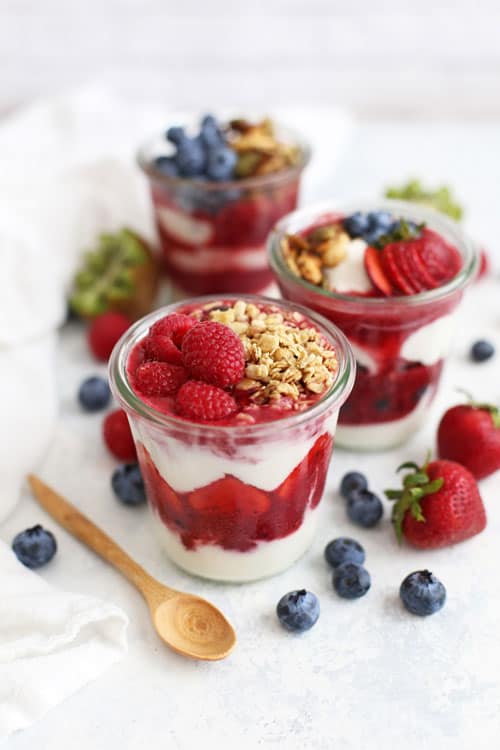
Healthy Yogurt Parfait Recipe
Whether you use them for meal prep, a brunch party, or a fresh weekend breakfast, these parfaits with frozen fruit purée are a major crowd pleaser! Try them with all different combinations of frozen fruit for even more variety!
Ingredients:
For the Fruit Sauce:
- 2 cups Frozen fruit or berries (like Cascadian Farm strawberries, blueberries or cherry berry blend), partially thawed
- 3/4 cup Water
- 1 Tbsp. Orange or lemon juice
- 1 Tbsp. Honey
For the Parfaits:
- Your favorite mixed nuts or granola (like Cascadian Farm Cherry, Quinoa & Almond Granola)
- Yogurt (dairy-free, if needed)
- Fruit purée (see above)
- Fresh fruit—like berries, bananas, kiwi, mango, etc.
Instructions:
- To make the fruit purée, place partially thawed frozen fruit or berries in a blender or food processor. Add water, juice and honey. Pulse or purée until smooth, leaving a few larger pieces, as desired. (If you want it completely smooth, you can strain it through a fine-mesh sieve).
- To assemble parfaits, fill small jars or glasses. Layer yogurt, fruit purée, fresh fruit, and nuts or granola in any order you like. Mix and match different fresh fruits and fruit purées to create new flavor combinations!
Say hello to big-time flavor without a lot of effort! This frittata is packed with veggie goodness, hash browns and bacon. It’s an all-in-one breakfast dish that’ll make any morning better.
Ingredients:
- 1/2 Tbsp. Olive oil
- 1 sm. Onion, diced
- 1 cup Bell peppers (any color), diced
- 1 4 oz.-can Sprouts Green Chiles (don’t drain)
- 1–2 cups Fresh spinach
- 1/2 tsp. Salt
- 1/2 tsp. Pepper
- 8 oz. Cascadian Farm Organic Frozen Hash Browns (about 1/2 a package)
- 4 oz. Bacon, cooked and crumbled
- 7 Eggs
- 1/4 cup Milk (dairy or unsweetened non-dairy)
- Additional salt & pepper, to taste
Instructions:
- Preheat oven to 375°F. Grease a 9-inch pie dish with nonstick spray, or a little olive oil or butter.
- In a medium sauté pan, heat olive oil over medium heat. Add onion and bell pepper and sauté over medium heat 8–10 minutes, or until very tender and onion is translucent.
- Add green chiles, spinach, salt and pepper, and stir until spinach is wilted.
- Add hash browns to the bottom of your prepared pie dish.
- Pour cooked veggie mixture over the hash browns and pack down well.
- Sprinkle bacon over veggie mixture.
- In a medium bowl, whisk together eggs and milk with a little salt and pepper. Whisk until very well blended.
- Pour egg mixture over the potato/egg/bacon and allow to settle.
- Bake at 375°F for 30–35 minutes, or until center is just set. If the edges are browning faster than you like, you can cover the pan with foil to protect it from browning any more.
- Let cool slightly before slicing and serving.
Meet Our Food Blogger
Emily lives, loves and cooks at
One Lovely Life, where she shares healthy recipes and inspiration for living a happy, full life. When her daughter developed an intolerance to gluten and dairy, her blog shifted to accommodate their new eating style, and these days you’ll find fresh, vibrant, colorful recipes that don’t feel like they’re missing anything. In addition to enjoying healthy meal choices on her blog, you’ll find made-over sweet treats, book recommendations and tips for living a life you love.

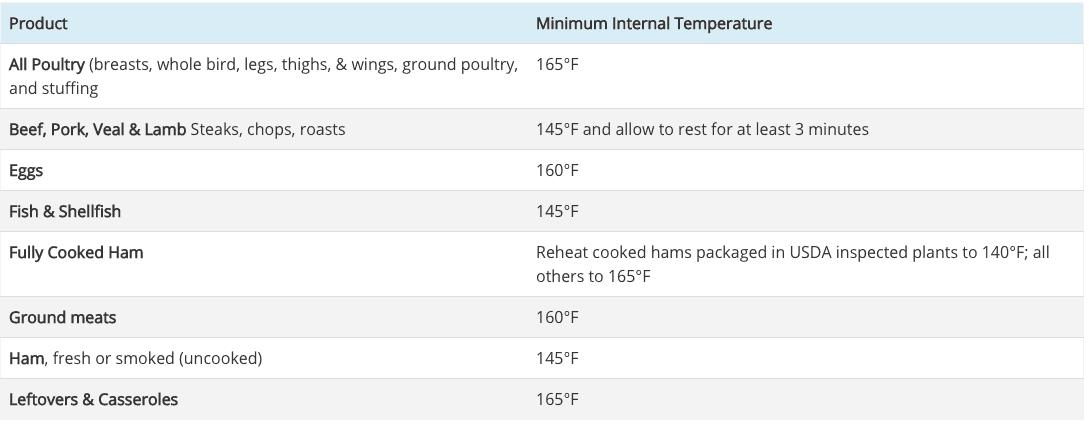
 Many of us rely on leftovers to get though our busy week! Use the tips below to safely handle leftovers and protect your family from foodborne illness.
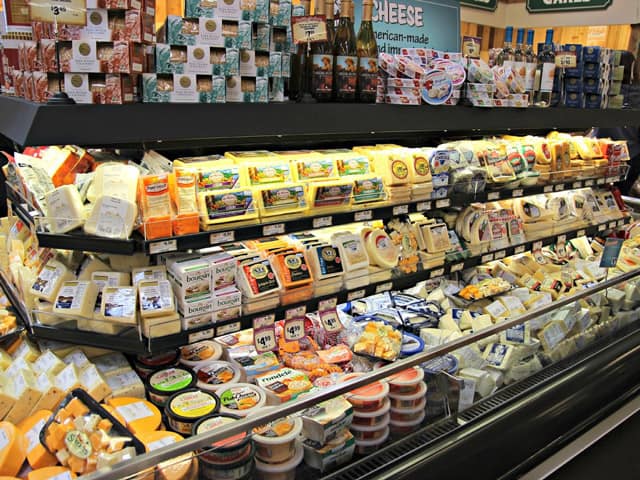 Here are some tips to remember when getting your groceries from the store to your refrigerator at home:
 These four simple steps will keep your kitchen healthy!
1. Clean: Clean kitchen surfaces, utensils and hands with soap and water while preparing food.
2. Separate: Separate raw meats from vegetables and other ready-to-eat foods by using different cutting boards to avoid cross contamination.
3. Cook: Cook foods to the right temperature by using a food thermometer. This is the most efficient way to make sure your food has reached a safe temperature.
4. Chill: Chill raw and prepared foods promptly if you don’t plan to consume them right after cooking.
We encourage you to also take a look at some
These four simple steps will keep your kitchen healthy!
1. Clean: Clean kitchen surfaces, utensils and hands with soap and water while preparing food.
2. Separate: Separate raw meats from vegetables and other ready-to-eat foods by using different cutting boards to avoid cross contamination.
3. Cook: Cook foods to the right temperature by using a food thermometer. This is the most efficient way to make sure your food has reached a safe temperature.
4. Chill: Chill raw and prepared foods promptly if you don’t plan to consume them right after cooking.
We encourage you to also take a look at some 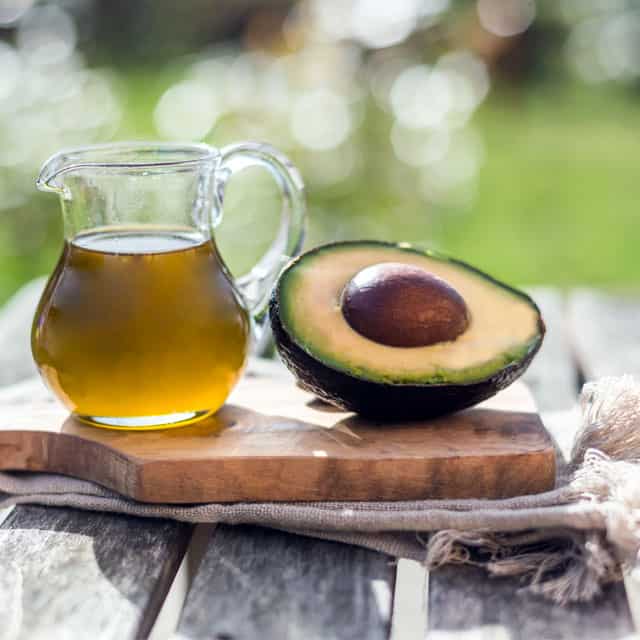 Vegetable and canola oils are out! Good-for-you traditional fats are in! It’s really easy to substitute fats with paleo cooking. Make sure to use quality, sustainably sourced fats so you get all of the health benefits.
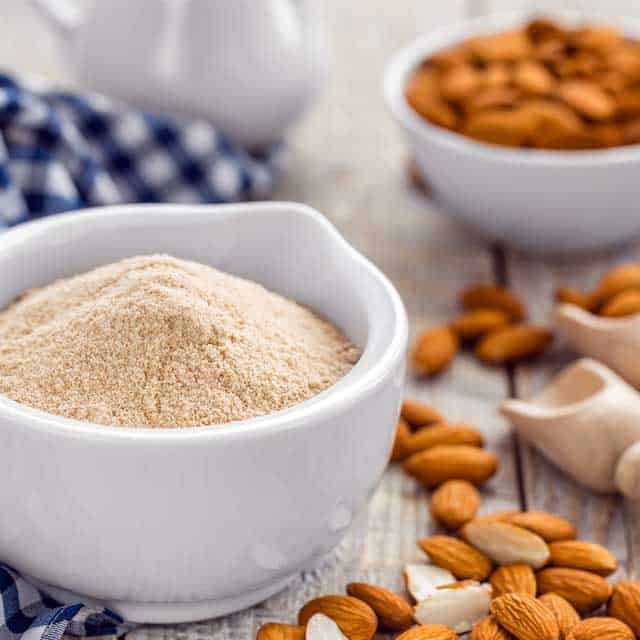 Baked goods are usually one thing that people wonder about when it comes to the paleo lifestyle. While paleo baking does take a little bit of experimenting to find out what you like best, it’s absolutely doable! Everything from muffins, to cakes and tortillas can easily be converted using some grain-free substitutions.
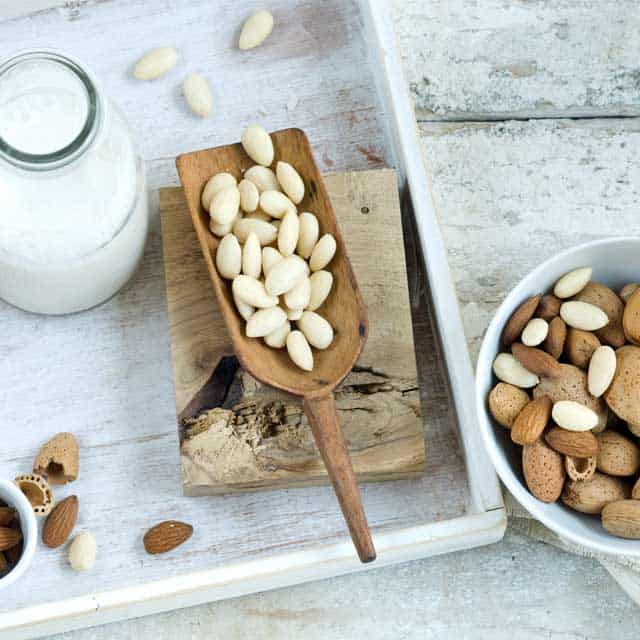 Smoothies, soups, curries, casseroles, homemade ice cream and so much more would not be the same without a creamy addition. You can still enjoy all of your favorites without dairy! Coconut milk and cream is usually best used in recipes that need a higher fat content and a creamier texture. Nut and seed milks are usually best used in recipes that need liquid like smoothies or hot chocolate.
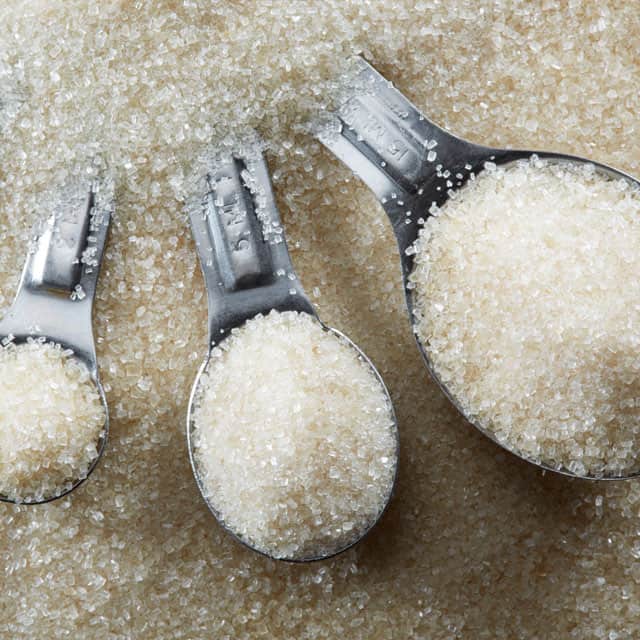 Skip the agave and refined white and brown sugar and reach for the natural sweeteners!
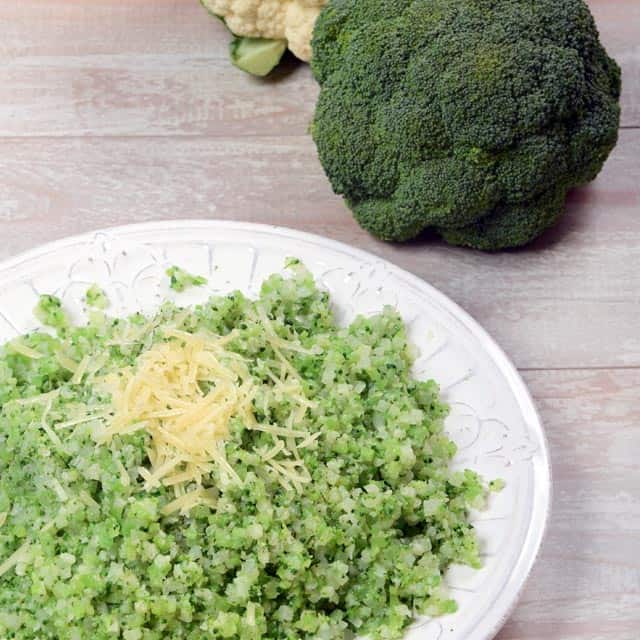 Grains are out when you’re eating Paleo, but that doesn’t mean you have to miss out on a side of “rice!” Vegetables like cauliflower are most commonly used for a great substitution, but broccoli and carrots can be used too.



 Roasted Walnut & Cauliflower Tacos
 Walnut Butter – 4 Ways