The USDA estimates we waste 30 percent of all food due to consumers throwing away wholesome food due to expiration dates.
Manufacturers provide dating to help consumers decide when food is of
best quality. With the exception of infant formula, dates are not an indicator of the product’s safety and are not actually required by federal law.
Examples of commonly used phrases:
“
Best if Used By/Before” indicates when a product will be of best flavor or quality. It is not a date determined for safety.
“Sell–By” date tells the store how long to display the product for sale for inventory management. It is not a safety date.
“Use–By” date is the last date recommended for the use of the product while at peak quality. It is not a safety date, except when used on infant formula.
HELPFUL REMINDERS:

With the exception of infant formula, if the date passes during home storage, a product should still be safe and wholesome if handled properly until the time spoilage is obvious. Spoiled foods will develop an off odor, flavor or texture due to naturally occurring spoilage bacteria.
Spoilage bacteria cause foods to develop unpleasant characteristics, but do not cause illness. A change in the color of meat or poultry is not actually an indicator of spoilage.
Some state egg laws may require a “Sell-By” or “Expiration” date, but it is not a federal regulation.
Cans must exhibit a code or the date of canning, which is mainly used as a way to track the product. These codes are not meant for the consumer to interpret as a “Best if Used By” date. Cans that are dented, rusted or swollen should be discarded.
In an effort to reduce food waste, put your newer items in the back of your refrigerator or pantry. That way, older items will be front and center and you’ll be more likely to use them before they go bad. It’s important that consumers understand that food products are usually safe to consume past the date on the label. Evaluate the quality of your food products prior to eating, and discard if there are noticeable changes in wholesomeness.
NOTE: Do not buy or use baby formula after its “Use-By” date.
To learn more, check out Food Safety and Inspection Service’s
information on food product dates.
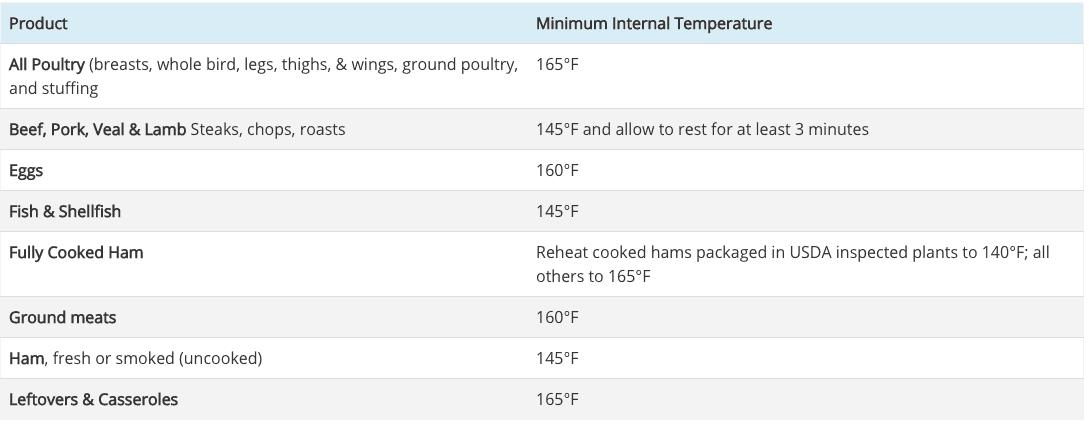
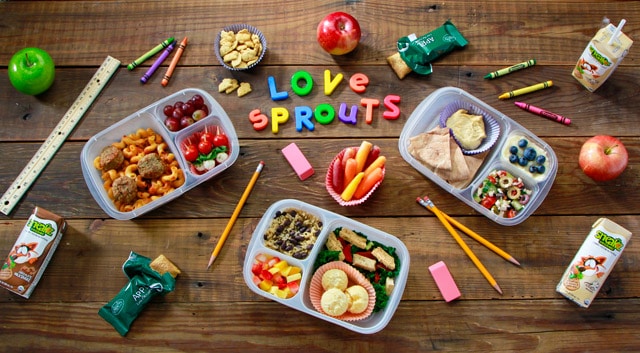 Many of us rely on leftovers to get though our busy week! Use the tips below to safely handle leftovers and protect your family from foodborne illness.
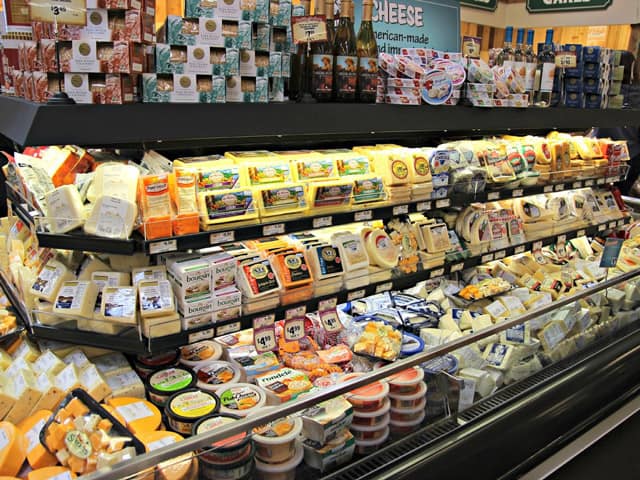 Here are some tips to remember when getting your groceries from the store to your refrigerator at home:
 These four simple steps will keep your kitchen healthy!
1. Clean: Clean kitchen surfaces, utensils and hands with soap and water while preparing food.
2. Separate: Separate raw meats from vegetables and other ready-to-eat foods by using different cutting boards to avoid cross contamination.
3. Cook: Cook foods to the right temperature by using a food thermometer. This is the most efficient way to make sure your food has reached a safe temperature.
4. Chill: Chill raw and prepared foods promptly if you don’t plan to consume them right after cooking.
We encourage you to also take a look at some
These four simple steps will keep your kitchen healthy!
1. Clean: Clean kitchen surfaces, utensils and hands with soap and water while preparing food.
2. Separate: Separate raw meats from vegetables and other ready-to-eat foods by using different cutting boards to avoid cross contamination.
3. Cook: Cook foods to the right temperature by using a food thermometer. This is the most efficient way to make sure your food has reached a safe temperature.
4. Chill: Chill raw and prepared foods promptly if you don’t plan to consume them right after cooking.
We encourage you to also take a look at some 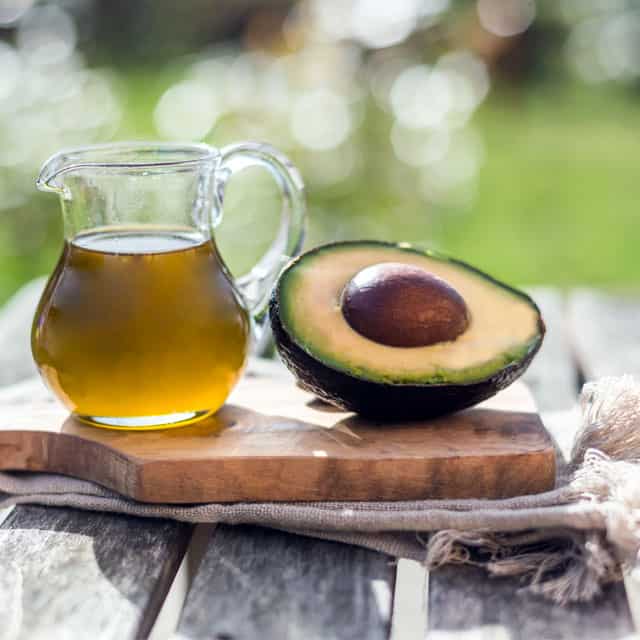 Vegetable and canola oils are out! Good-for-you traditional fats are in! It’s really easy to substitute fats with paleo cooking. Make sure to use quality, sustainably sourced fats so you get all of the health benefits.
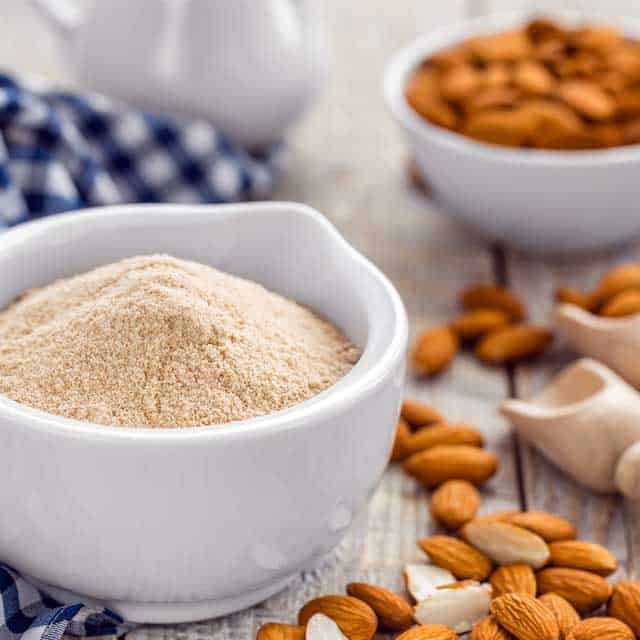 Baked goods are usually one thing that people wonder about when it comes to the paleo lifestyle. While paleo baking does take a little bit of experimenting to find out what you like best, it’s absolutely doable! Everything from muffins, to cakes and tortillas can easily be converted using some grain-free substitutions.
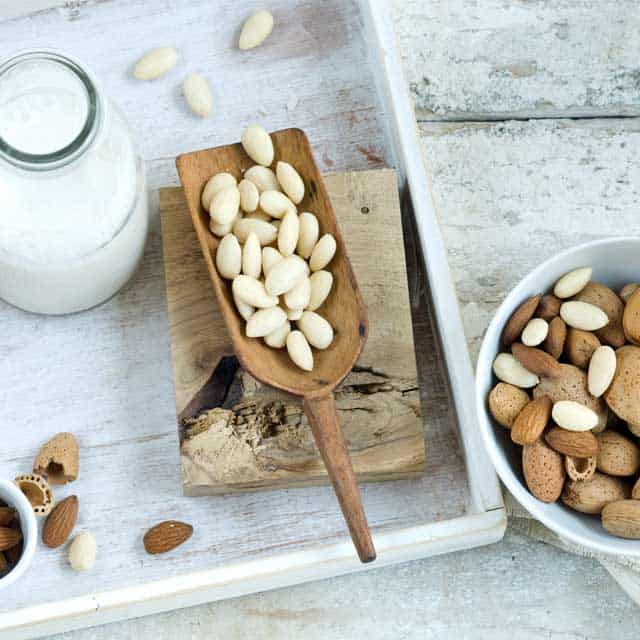 Smoothies, soups, curries, casseroles, homemade ice cream and so much more would not be the same without a creamy addition. You can still enjoy all of your favorites without dairy! Coconut milk and cream is usually best used in recipes that need a higher fat content and a creamier texture. Nut and seed milks are usually best used in recipes that need liquid like smoothies or hot chocolate.
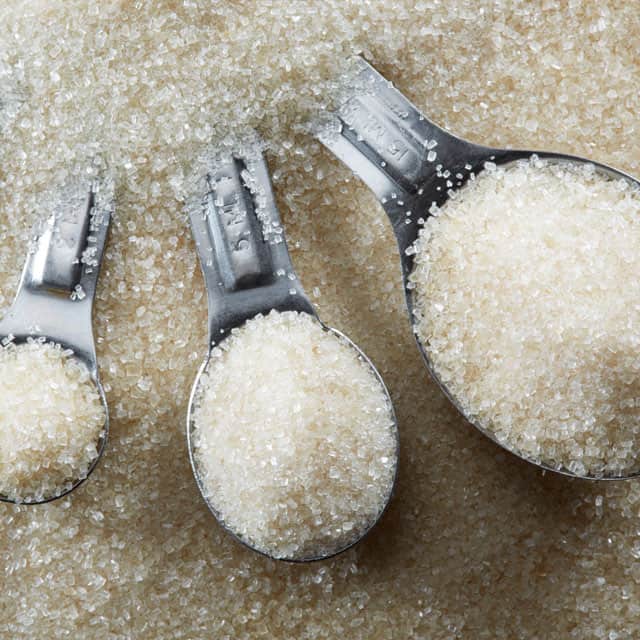 Skip the agave and refined white and brown sugar and reach for the natural sweeteners!
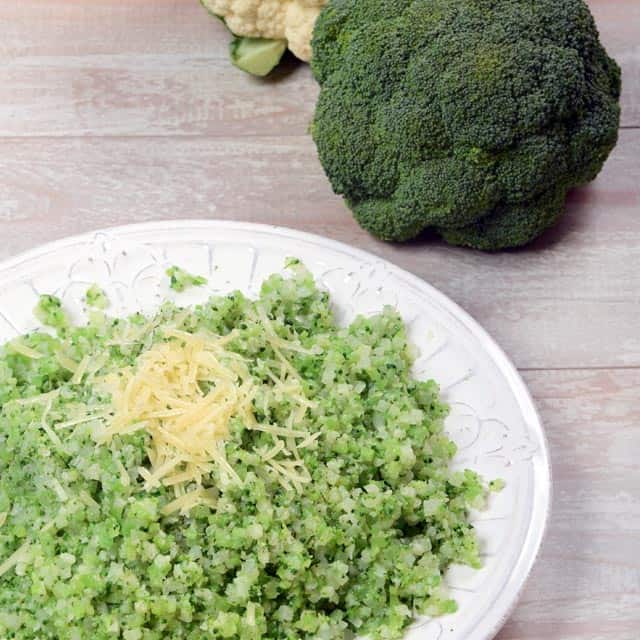 Grains are out when you’re eating Paleo, but that doesn’t mean you have to miss out on a side of “rice!” Vegetables like cauliflower are most commonly used for a great substitution, but broccoli and carrots can be used too.