How to Start Composting

Did you know there is a difference between soil and dirt? Soil is nutrient-rich because it contains microorganisms, decaying organic matter, earthworms and other helpful insects. Dirt lacks all of those nourishing and living things. Even earthworms will not thrive in dirt—composting to the rescue! You can turn your dirt into soil with these composting steps.

How to Start Composting: composting in the back yardWhat is Compost?

Compost is a mixture of decaying organic material that helps to fertilize soil. At its simplest form, you can easily make compost by taking your vegetable-based kitchen scraps and yard waste like leaves and grass, putting them in a pile, and letting nature decompose it into nutrient-rich fertilizer for your house plants, garden or plants in your yard.

1. Pile vs. Bin

Decide whether you’re a super-DIYer and want to build a place for a compost pile in your yard or you’d rather use a bin. There are loads of simple plans for containing a compost pile online as well as various types of compost bins. Choose whichever best suits you.

2. Placement

You’ll want to find a spot in your yard to place your composting bin or pile. Ideally, this spot is not too sunny and easy to access from your kitchen. (The easier it is, the more apt you’ll be to continue your new composting routine!)

3. Save up Stuff

You’ve got your bin or pile space all situated and ready to go, now’s the time to rake your yard for dried leaves to use as the base of your pile. You’ll also want to start saving kitchen scraps of veggies and fruits. (Remember, no animal products can make their way into your compost pile!)

4. Layering

Ideally, you’ll want to have about three times as much dried matter to the wetter fruit and veggie scraps from your kitchen. Put down the dried matter first, then add your kitchen scraps on top. Add a layer of soil and a little water to moisten and there you have it—your beginning compost pile!

5. Turning

You’ll need to turn your compost from time to time. Also, if it is dry, give it a little water. If it smells, it has too much water, add some crushed leaves (not more kitchen scraps), turn it and that should do the trick! If it’s really dry, it needs to be turned and watered, or add more fruit and vegetable scraps.

6. Ready to Use

You’ll know your compost is ready to use when it looks like dark rich soil. Add it to your houseplants or garden—they’ll love you and so will the environment! Tip: Crushing or shredding your dried yard leaves and cutting your kitchen scraps into smaller pieces will help your compost turn into usable compost more quickly.

Did you know?

Crushed egg shells are the only exception to the no-animal products rule in composting. Including them in your compost pile adds calcium—an important nutrient in helping plants build cell walls!

Veganism: Where to Start

If you’re new to veganism, avoiding animal-based products might seem fairly straightforward. However, there are a few things you’ll want to pay special attention to. We’ll help you navigate through these ingredient lists so you can steer clear of some potential hidden animal products that may surprise you.

Whey

Often used in baked goods, whey is one of those words you may or may not be familiar with—it’s the watery part of milk that is leftover after curds are formed in the cheese-making process. Because whey contains much of the lactose and about 20% of the protein in milk, it has become a valued byproduct. (It used to be something that got thrown away!) Whey powder is a mainstay in many non-vegan protein powders. Combined with other ingredients in processed foods, whey conveys a host of desirable properties—for this reason, you might find it listed in the ingredients for baked goods, beverages, dressings and a myriad of other products.

Casein

Another milk-based protein is casein. One of the two primary proteins in milk, it accounts for 80% of the protein in cow’s milk. You may also see casein in the ingredient list as caseinate or lactic acid which sometimes contains casein. Some foods where you might also see casein listed are margarine, non-dairy coffee creamer, cheese-flavored chips and snack crackers, as well as baked goods.

Vegan Marshmallows View RecipeGelatin

Created from the skin, bones and connective tissues of (typically) cows and pigs, gelatin can be found in things like candy (think gummy bears), gum, capsules used for supplements and marshmallows. A vegan substitute for gelatin is agar-agar. A flavorless gelling agent, agar-agar is derived from cooked and pressed seaweed. Whether you want to gather ‘round a campfire and roast marshmallows, or just sneak a few from the pantry (we won’t tell) you can try this Vegan Marshmallow recipe—you’re friends and family will love them!

Natural and Artificial Flavorings

You might want to err on the side of caution with this phrase when you encounter it in an ingredient list as it can be either animal- or vegetable-sourced. Listed in the FDA’s Code of Federal Regulations Title 21, natural and artificial flavors are both described as able to include “meat, seafood, poultry, eggs, dairy products, or fermentation products thereof”—a pretty wide window!

Vitamins and Supplements

Vitamins and supplements are a part of many people’s healthy living journey. As a vegan, you’ll want to pay a little more attention to the labeling. Found in many multivitamins, vitamins A, D and B12 can be derived from animal products. Additionally, many supplements come in capsule format, which may be made of gelatin. When shopping for vitamins and supplements, it’s best to check the label and look for those that are labeled as vegan. 

Vegan Worcestershire Sauce View RecipeWorcestershire Sauce

Worcestershire sauce seems to show up in loads of recipes that you may want to convert to your new plant-based diet. The ingredient that will kick this condiment from your fridge, however, is anchovies. But fret not—here is a vegan version you can whip up in no time!

Beer and Wine

It might come as a surprise that some wines and beers may not be vegan. After all, wine is made from grapes, and beer from hops and barley—all plants! Yet, some beers and wines might be made with non-vegan-friendly ingredients like dairy or honey. There is also the question of process: Animal products are often used in the filtering and fining, or clarification process of both wine and beer making. These include things like isinglass (from fish), sea shells, albumen (egg whites) and gelatin. Luckily, this website contains a comprehensive list of well over 35,000 beer, wine and spirits, showing whether they’re vegan-friendly or not.

Carmine

A naturally sourced red dye used in food and drink, the most surprising thing about carmine is its source—a bug! For centuries, red dye has been created from the cochineal bug that lives on the pads of prickly pear cacti. Rich in history, this bug-centric colorant eventually made its way into modern-day food production. Some other names you might also see carmine listed as include cochineal, carmine lake or natural red 4.   Did you know? Broccoli, bok choy, chinese cabbage, collards and kale are all great, non-dairy sources of calcium.

Meatless Recipes w/ PlantBasedonaBudget

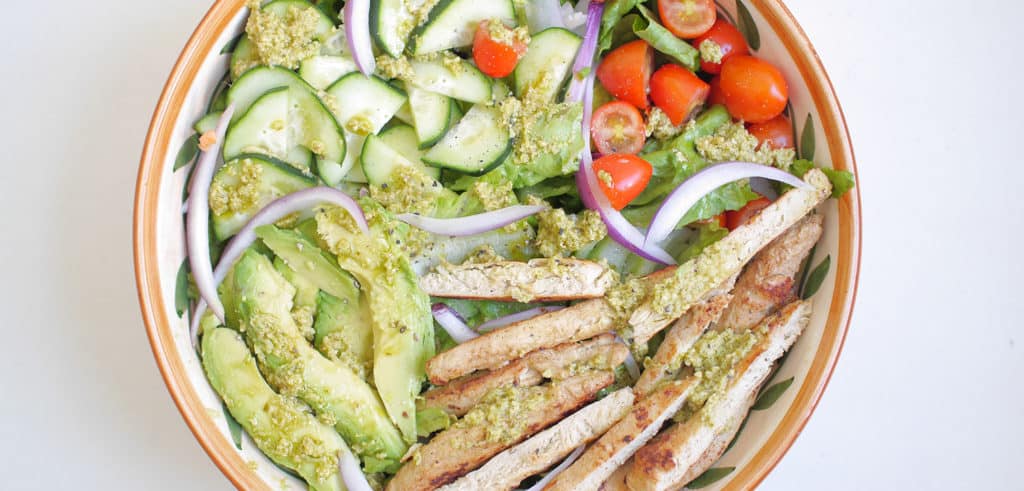
Each summer is filled with picnics, parties and barbecues. Whether you eat plant based regularly, take part in Meatless Mondays or simply want to know how to incorporate more veggies into your diet, Toni from Plant Based on a Budget has two easy and delicious summer recipes to share. Gardein is 100% plant based. Their products offer great texture and taste to every dish. Chick'n Pesto Salad Overhead

Chick’n Pesto Salad

Ingredients:
  • Gardein Chick’n Strips
  • 1 head romaine lettuce
  • 1/2 medium red onion, thinly sliced
  • 1/2 cup cherry or grape tomatoes, halved
  • 1/2 cucumber, sliced
  • 3 Tbsp. Sprouts Vegan Basil Pesto
Instructions:
  1. Pan dry the Gardein Chick’n Strips according to package instructions.
  2. In a large bowl, combine the romaine lettuce, red onion slices, cherry tomato halves and cucumber slices together.
  3. Add pesto and chick’n strips to lettuce mixture. Toss until evenly coated.
Beefless Tips Kabobs Layout  

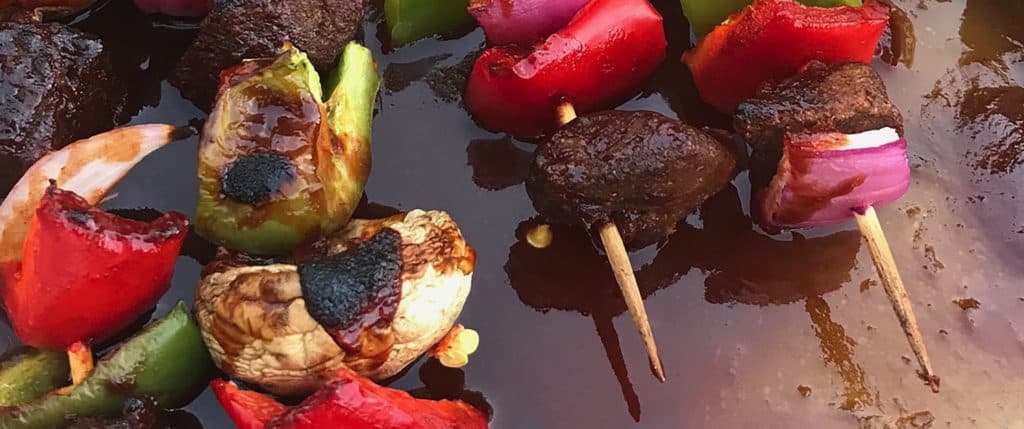
Beefless Tips Kabobs

Ingredients:
  • Gardein Beefless Tips
  • 6 pre-soaked wooden skewers
  • 1 red bell pepper, cut into 1-inch chunks
  • 1 green bell pepper, cut into 1-inch chunks
  • 1 medium red onion, cut into 1-inch chunks
  • 12 cremini mushrooms, stems removed
  • 1 cup Sprouts BBQ sauce
Instructions:
  1. Thaw Gardein Beefless Tips for ten minutes.
  2. Preheat the broiler.
  3. Thread the skewers, alternating between tips, red bell peppers, green bell peppers, red onion and mushrooms.
  4. Create a single layer of kabobs on a baking sheet and drizzle with BBQ sauce.
  5. Bake for 8-10 minutes, or until vegetables are tender.
 

Plant Based on a BudgetAbout the blogger, @plantbasedonabudget:

Toni Okamoto is a purveyor of the plant-based lifestyle. She aims to spread awareness through her blog and has over 100,000 followers total. Toni has a plethora of recipes that can be found on her website and even more in her book, The Super Easy Vegan Slow Cooker Cookbook. You can find her on YouTube as well, showing What I Eat in a Day videos and grocery hauls. Check her out!

Instagram Logo @PlantBasedonaBudget on Instagram                      YouTube Icon Toni Okamoto Facebook_icon @PlantBasedonaBudget on Facebook                       Twitter Icon @toniokamoto  

Composting 101

The Why

Nourishing to your plants, the environment and even your own wellbeing, composting is a pretty easy and straightforward endeavor. The EPA reports food and yard waste make up 20–30% of what we throw away. When those food and yard scraps make their way into the landfill, they break down anaerobically (without oxygen) and release methane. The less of this greenhouse gas we are able to produce, the better for the environment. Knowing you’re making a difference by utilizing those scraps to feed your plants and help the environment is good for you too!

Compost Video

Video Description: Creating & maintaining a compost pile is easy, here’s the 411 on how you can get started!

What If You Don’t Garden?

Even if you don’t garden in what you might think of as the traditional sense by growing your own fruits and vegetables, you might have a yard full of plants that could benefit from the extra nutrients in your DIY soil. Even without a yard, there are still plenty of things to do with your compost. If you have houseplants, they’ll benefit from the extra nutrients. Local schools may have garden programs and would welcome compost, likewise for community or urban gardens in your neighborhood. If you like the idea of composting but don’t have space to dedicate to it, look for a curbside composting service in your area. These kinds of services usually provide the bins and all the education you’ll need to get composting quickly!

How to Get Started Composting

You can learn how to start composting in our article Composting: How-to Basics. You’ll find even more details and helpful tips in our article Composting Cast of Characters.

Did you know?

Methane gas is 30 times more potent than CO2 (carbon dioxide), another greenhouse gas.

Sustainable Fish Facts

Which is better, wild-caught or farm-raised fish? The answer is both—there are pros and cons to each. While we might refer to them collectively as fish or seafood, multiple species, including crustaceans (shrimp) and bivalves (oysters, mussels, clams and scallops), can be considered either wild-caught or farm-raised.

Wild-Caught Fish

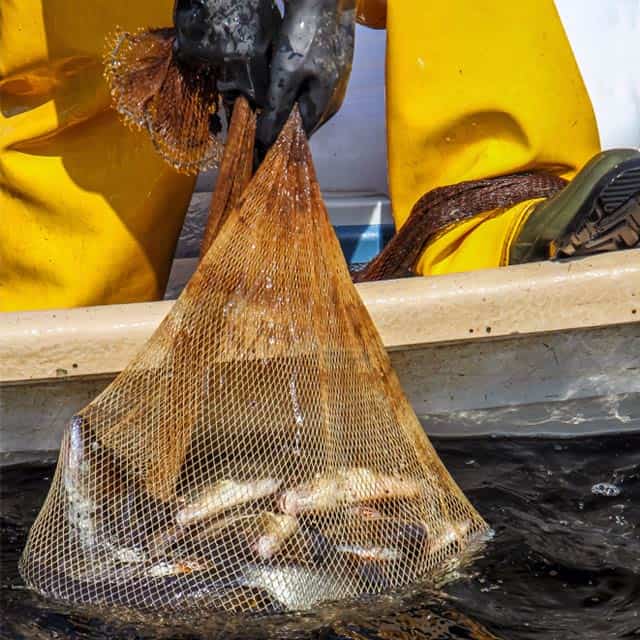
Sustainable Wild-caught Fish Just like it sounds, wild-caught fishes are caught in their native habitat using nets, hand-lines, divers or traps. Wild-caught can be a healthier choice for a variety of reasons. They eat a natural diet in their native habitat which means they are potentially exposed to less man-made pollutants. The reverse side is that some fishes may contain more mercury and/or were not responsibly sourced. A logo to look for, when purchasing seafood, is the Marine Stewardship Council logo. Buying products with this logo ensures it was responsibly sourced. MSC Logo
Visit the Marine Stewardship Council website.


Farm-Raised Fish

Sustainable Farm-raised Fish Also known as aquaculture, fishes that are farmed don’t endanger wild populations—a great reason to choose them. But it can have drawbacks including crowded conditions, toxins, pesticides, antibiotics and parasites. Take heart though, when you see the Best Aquaculture Practices Certified logo, you know you’re getting responsibly farmed fish. BAP certifies the entire production chain: farms, feed mills, hatcheries and processing plants—so you can feel good about the seafood you’re serving your family! Best Aquaculture Practices Logo
Visit the Best Aquaculture Practices website.

MegaFood Gummies

four bottles of MegaFood gummies on a wood background MegaFood’s new gummies are made without high-fructose corn syrup, gelatin, added flavors, colors or preservatives—at all! They’re also vegan and free of gluten, dairy and soy. But what’s not missing at all is flavor, that’s because all their gummies are made with a special Slo-Food Process™ that incorporates real fruits and vegetables. In fact, at MegaFood, they use over 500,000 pounds of fresh fruit and veggies a year in their supplements from trusted farm partners. Each of MegaFood’s new gummies has two grams or less of sugar and all have bold and uniquely tasty flavors. And if you hold them up to the light—you can see specks of those real healthy fruits they’re made of!

D3 Wellness – Supports Bone, Muscle & Immune Health*

Combining fresh Florida oranges, sweet Quebec blueberries, tangy Wisconsin cranberries and spicy Kauai ginger together in one gummy? Yep. MegaFoods did that in their Mixed Fruit D3 gummies. The result of this delicious combination is a bold fruity start with a light ginger finish.

B12 Energy – Supports Cellular Energy Production*

These B12 gummies come in two taste-bud stimulating flavors, cranberry and ginger. Delightfully zingy and tangy, they might just become you’re new favorite afternoon pick-me-up.

C Defences – Supports Daily Immune Function*

Mmm … you’ll feel like you took a bite of a fresh organic orange when you try the Tangy Citrus flavor of this vitamin C gummy.   Did you know? Nearly half the population (40%) has a hard time swallowing pills—but there’s nothing hard to swallow about MegaFood’s new line of gummies.   *These statements have not been evaluated by the Food and Drug Administration. These products are not intended to diagnose, treat, cure, or prevent any disease.

World Fair Trade Day

As a consumer, every purchase you make is a vote within the market place. You have the ability to influence not only which products you see on shelves, but also where those products come from and how they’re made. When you choose fair trade products and ingredients, you help improve the lives of farmers, farm-workers, producers and their families. World Fair Trade Day is May 12th this year. A global celebration of fair trade, it brings together thousands of people who are committed to building healthy and sustainable communities worldwide. Vote for positive change this May and every day when you purchase dedicated fair trade brands. World Trade Day

10 Principles of Fair Trade*

 
  1. Opportunities for disadvantaged producers
  2. Transparency & accountability
  3. Fair trade practices
  4. Fair payment
  5. No child labor, no forced labor
  6. No discrimination, gender equity, freedom of association
  7. Good working conditions
  8. Capacity building
  9. Promote fair trade
  10.  Respect for the environment
*Courtesy of the World Fair Trade Organization website

Did you know?

The Fair Trade movement started in the United States in 1946. You can read more about the history of the Fair Trade movement on the World Fair Trade Organization website.  

Rosé All May

If you’re looking for an easy-drinking summer wine, rosé is a crisp, lean, delicious and refreshing option that is easy to shop. Made all around the world, rosé is produced from a variety of red grapes with minimal contact from their grape skins, which results in the soft color.
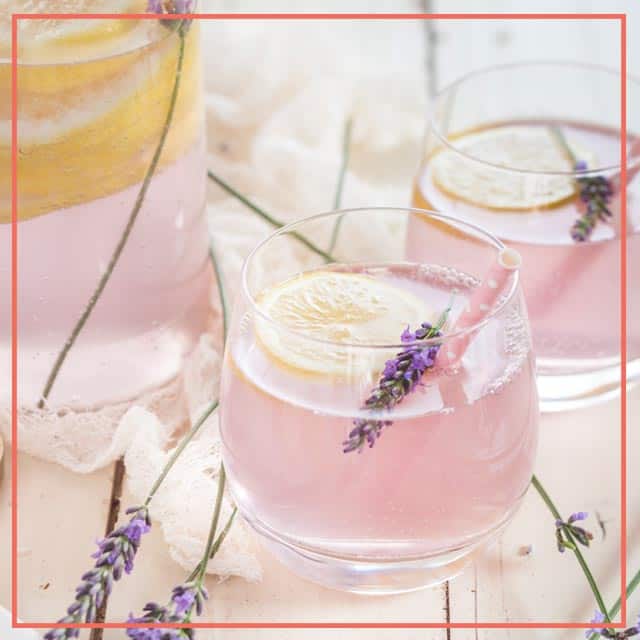
Shades of Pink

Darker rosé may be slightly richer and can sometimes be a bit fruitier than the paler options, which may suggest floral notes.

Looking for something sweet?

Find one from the U.S., South America or Australia. They’re fruitier, sweeter and usually have a lower alcohol content. Italy, Spain and France will typically provide a crisp and tart wine with an ABV above 11%.

What’s Your Rosé Style?

A wine’s style is represented by its flavor, body and overall taste experience. For Rosé, there are three styles to choose from:

Soft & Off-dry

Offering flavors of berries, cherry, apple and peach. Pairs perfectly with Mexican dishes and spicy curry.

Easy-going & Fruity

Light and refreshing, these styles feature flavors of summer berries and are perfect paired with appetizers, bbq and pizza.

Medium-bodied & Dry

Full flavored with notes of cherry, vanilla, strawberry and even a bit of pepper. Grilled meats, salmon and fresh veggies will make the complete experience for this style.

Spiked Lavender Pink Lemonade

For the Lavender Syrup:
  • Ingredients:
    • 1 cup Water
    • 1 cup Sugar
    • 2 Tbsp. Dried lavender
  • Instructions:
    1. In a small saucepan, bring water and lavender to a boil.
    2. Stir in sugar until completely dissolved.
    3. Reduce heat and simmer for about 10 minutes, stirring occasionally.
    4. Let cool and steep for about 15 minutes.
    5. Pour mixture through a strainer, pressing on lavender to get all the syrup out.
For the Lemonade:
  • Ingredients:
    • Lavender simple syrup
    • 1 bottle Sprouts Pink Sparkling Lemonade
    • 1 bottle Rosé
    • Lemons, thinly sliced (for garnish)
    • Lavender springs (for garnish, optional)
  • Instructions:
    1. Fill a large pitcher with ice.
    2. Pour in lavender syrup, lemonade and rosé.
    3. Add lemon slices in to the pitcher and stir.
    4. Pour into ice-filled glasses and garnish with lavender sprigs.

Choosing Non-GMO

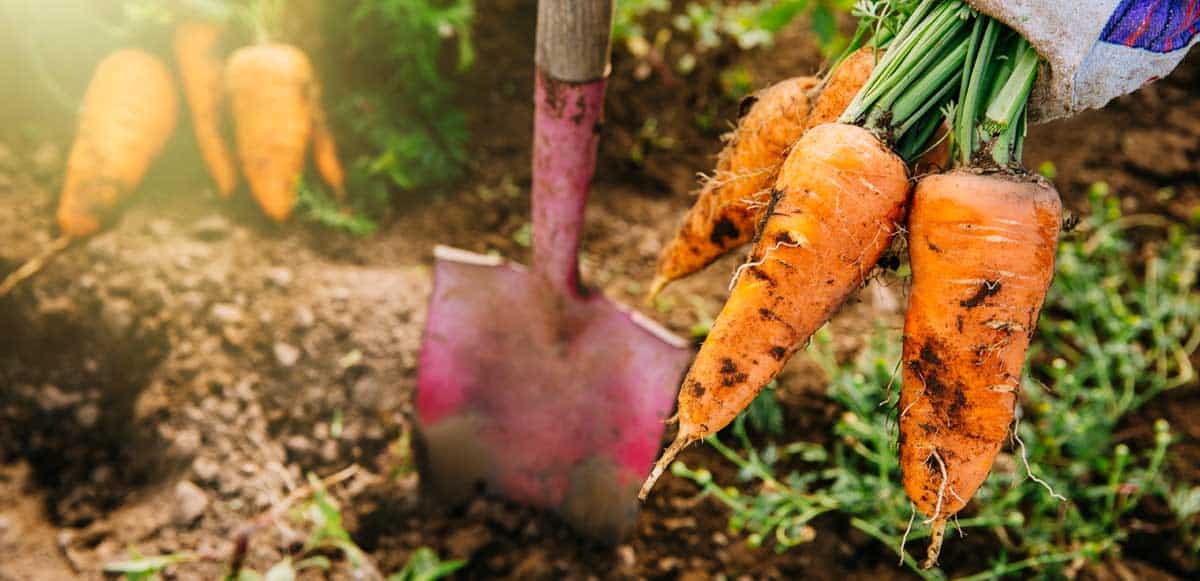
bunch of carrots pulled from the ground with soil and red shovel in background  

What Is a GMO?

A GMO is a genetically modified organism—a plant, animal, microorganism or other organism—whose genetic makeup has been modified in a laboratory and does not occur in nature. There are two ways to avoid GMOs in your food, both include looking for specific labels on the products you purchase.

USDA Organic label/logoChoose Organic

A great way to avoid GMOs is to buy organic! The USDA Organic standards prohibit the use of GMOs in farming and food processing. Products with the USDA Organic seal are also free from growth hormones and antibiotics, as well as synthetic fertilizers and pesticides. You’ll find thousands of organic products at your local Sprouts.

Visit the USDA Organic website.


Non-GMO Project Verified LogoLook for the Butterfly

You can also look for the Non-GMO Project Verified logo. Since its inception in 2010, this non-profit has been committed to preserving and building the non-GMO food supply, educating consumers and providing verified non-GMO choices. There are now over 43,000 products that are Non-GMO Project Verified. You can find thousands of products with this label at your local Sprouts—just look for the butterfly!

Visit the Non-GMO Project Verified website.

Organic Certified Food Labels

Organic certified food labels: agricultural field with tractor and barn in background Whether you regularly shop organic, or looking to learn more, this article will shed some light on a variety of common and not-so-common logos you see on products you purchase at Sprouts. A product is deemed organic if it is free of synthetic additives including pesticides, chemical fertilizers and dyes. The USDA Organic logo has been in use for nearly two decades, but other logos are new and emerging. It’s an exciting time in the organic field!  

USDA Organic label/logoWhat is USDA Organic?

When you purchase a product with the USDA Organic label on it, you can be assured it’s made with at least 95% organic ingredients and is non-GMO (does not contain genetically modified organisms). The Organic Foods Production Act of 1990 established the National Organic Program, but the use of the logo was not implemented until the early 2000s. You can find thousands of organic products at Sprouts!

Visit the USDA Organic website.


transitional certified by QAI logoTransitional Organic Certified by QAI

You might not have seen or noticed the QAI certification logo before—that’s because it’s relatively new. In 2016, this program, certifying at least 51% of the contents are transitional organic, was rolled out. It allows small- and medium-sized farms to transition to organic over a three-year period. The benefits of the QAI certification are three-fold: for those smaller farms, it helps to off-set the cost of transitioning their farm to organic. For you, it means more better-for-you choices are available. And for the world at large, this certification is helpful to the organic movement.

Visit the Transitional Organic Certified website.


Regenerative Organic Certified logoROC Regenerative Organic Certification

The newest label to the organic family, this certification builds upon the existing USDA Organic seal you’re likely familiar with. In addition to meeting the USDA Organic standards, farmers must also work to increase soil health, animal welfare and worker fairness. Three levels of certification—Bronze, Silver and Gold—ensure progressively more rigorous organic standards. Learn more: Check out our article about regenerative agriculture and visit the Regenerative Organic Certified website.

Did you know?

Farmers are struggling to keep up with the growing demand for organic products—less than one percent of U.S. farmland is certified organic. Interested to learn more? Check out this history of organic farming!