Go Lean. Eat Protein

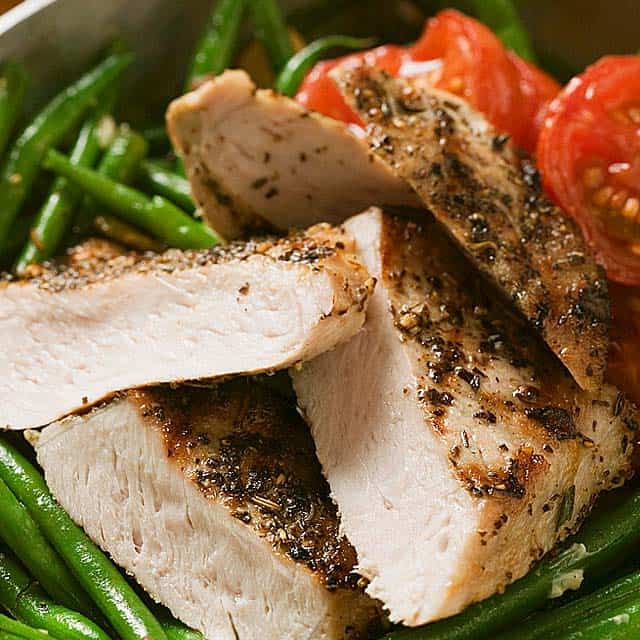
Protein is essential for overall health and vitality. By eliminating processed carbohydrates and added sugars from your diet, you can improve general health, weight control, and reduce the risk of heart disease, stroke, cancer and diabetes. Protein-rich foods can trim your waistline by maintaining lean muscle, balancing blood sugar and increasing satiety after a meal. Ultimately, this helps keep your metabolism burning at a healthy pace.Grilled chicken, green beans and tomatoes

Select Lean Proteins:

  • Choose skinless white chicken or turkey breast meat.
  • Buy lean cuts of beef: round steak and roast, top sirloin, top loin and shoulder.
  • Choose extra-lean ground-beef at least 90 percent or 95-percent lean.
  • Buy low-fat turkey, roast beef or chicken luncheon meats instead of high-fat meats such as bologna or salami.

Other Protein Choices:

  • Consume seafood at least twice a week. Bake or broil salmon, trout, halibut or cod.
  • Plant proteins—beans, peas, hemp or soy—contain little or no saturated fats.
  • The incredible egg is packed with protein.

What Is a Serving Size of Protein?

  • 1 oz. of meat, poultry, fish or tofu
  • 1/4 cup cooked beans or lentils
  • 2 Tbsp. hummus
  • 1 egg
  • 1 Tbsp. peanut or almond butter
  • 1/2 oz. of nuts or seed (12 almonds, 24 pistachios, 7 walnut halves)

Echinacea Strengthens Immunity, Weakens Flu Symptoms

Echinacea illustration One of the most popular herbs in America today, this perennial plant has been used by Native Americans for more than 400 years as a general tonic and to ease the discomfort of infections and wounds. There are two species of echinacea commonly used for medicinal purposes today: Echinacea angustifolia and Echinacea purpurea.

Strengthening the Immune System

An immune system’s primary role is to protect the body against damage from dangerous viruses, bacteria, fungi and other microorganisms. Echinacea has the ability to strengthen the immune system by activating white blood cells, which seek out and destroy these unfriendly invaders.i

Fewer Flu and Cold Incidents

Matter of fact, studies show that echinacea is safe and effective in reducing cold symptoms. In a randomized, double-blind, placebo-controlled clinical trial, British researchers tested 755 healthy people over a four-month period. Participants taking echinacea had significantly fewer incidences and less severe cold and flu symptoms (149 colds lasting a combined total of 672 days, while subjects in the placebo group reported 188 colds lasting 850 total days).ii

A Preventative Measure

Take echinacea before the cold and flu season hits! Echinacea helps the body produce more germ-eating cells called macrophages, which protect your body’s immune system by searching out and destroying common cold and flu viruses and bacteria. So, if you’re looking to keep sickness at bay, feeding your immune system echinacea is one good way! Tip! Taking echinacea before the cold and flu season begins gives the body a healthy jump-start to fighting germs. *You should consult with a healthcare professional before starting any diet, exercise or supplementation program or if you have or suspect you might have a health problem.
i Fonseca FN, Papanicolaou G, Lin H, Lau CB, Kennelly EJ, Cassileth BR, Cunningham-Rundles S. Echinacea purpurea (L.) Moench modulates human T-cell cytokine response. Int Immunopharmacol. 2014 Mar;19(1):94-102. doi: 10.1016/j.intimp.2013.12.019. Epub 2014 Jan 13. PubMed PMID: 24434371; PubMed Central PMCID: PMC4140398. ii Jawad M, Schoop R, Suter A, Klein P, Eccles R. Safety and efficacy profile of Echinacea purpurea to prevent common cold episodes: a randomized, double-blind, placebo-controlled trial. Evid Based Complement Alternat Med. 2012:841315. Epub 2012 Sep 16. (hindawi.com/journals/ecam/2012/841315/)  

Boost Your Juice with These Mix-ins

One healthy habit that can keep you on the track to wellness is starting your day fresh with a nutrient-dense smoothie. A great on-the-go option, smoothies are perfect for busy lifestyles. Need some inspiration to mix it up (pun intended)? Make a top-notch nutritious juice or smoothie with these mix-ins.

Cacao Nibs

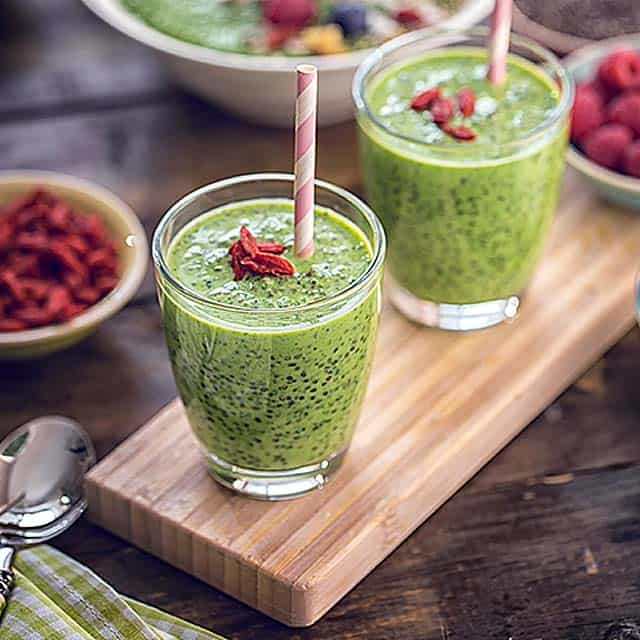
Green smoothie with raspberries in them Great news for chocolate lovers! Cacao nibs, which are chocolate in their purest form, are full of both antioxidants and flavonoids. Cacao also stimulates the brain, triggering the release of phenylethylamine, a neurotransmitter commonly referred to as “the love drug,” which elicits feelings of contentment and alertness. There might be a reason for our chocolate love affair after all.

Turmeric Rootspice

A pinch of ground turmeric rootspice is great in juices and smoothies. Part of the ginger family, turmeric adds a warm spice flavor to your smoothie or juice while providing powerful anti-inflammatory benefits and antioxidants.

Maca Powder

Maca’s health-boosting properties have been used by the native Andean people in Peru for thousands of years. Rich in carbohydrates, protein and a variety of essential minerals, maca enhances endocrine function, regulating metabolism, fertility, sexual function, energy levels and the nervous system.

Goji Berries

A true superfood, goji berries contain natural antioxidants that support healthy skin. Beyond antioxidants, they also boast 18 amino acids, carotenoids, vitamins A, C and E. In fact, per ounce, goji berries tout more vitamin C than oranges!

Powdered Peanut Butter

Enjoy the taste of traditional creamy or chunky peanut butter in smoothies by mixing in powdered peanut butter. Just like the traditional version, powdered peanut butter is loaded with protein, potassium, niacin and folates. Blend with cacao nibs, almond milk, whey protein and bananas for a healthy twist on a chocolate and peanut butter smoothie that’s friendly for the waist.  

Adding More Greens to Your Diet

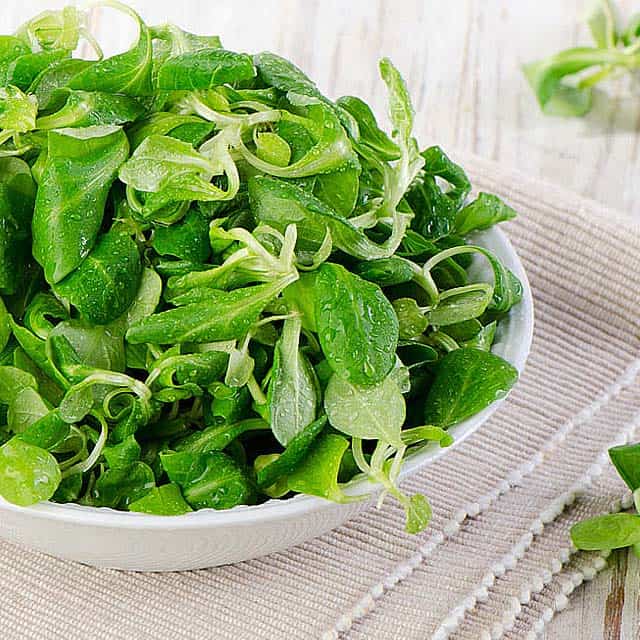
Sometimes when we are really hungry or in a hurry it can be too easy to forget our nourishing greens. Instead, we just reach for something sweet or salty. Luckily, there are many quick ways to get more greens into your daily meals and snacks. Greens are low-carb, raw, fat-free, low-cal, gluten-free and vegan. That means no matter what diet you’re on—from raw to Paleo—greens fit right in. Crisp, fresh and dark leafy greens are great in a salad or steamed as a side. But if you’re tired of the same old steamed spinach, here are a few new ways to enjoy leafy greens. Bowl full of spring lettuce

Stir Fry:

Swiss chard is a favorite for simple leafy green sautés. The dark green leaves are a visual treat while the mild, slightly peppery flavor blends well with garlic, water chestnuts and mushrooms. Also try kale, beet greens, mustard greens, spinach or a mixture of several varieties.

Green Smoothies and Juices:

This is probably the quickest way to get in your recommended servings of vegetables. One of our favorite combinations is green apple, lemon, ginger, kale, parsley and spinach. Spirulina, chlorella, or a good green powder are also healthy and convenient for smoothie additions.

Pasta:

Tuck some kale between layers of lasagna noodles, throw a handful of collard greens or chard into your favorite ravioli, or toss macaroni with a nutritious spinach pesto. You’ll find comfort in knowing that your favorite foods have a boost of nutrition.

Soup:

Soups are a great way to use leftover leafy greens that you have on hand. Add collard greens to lentil soup or kale to any sausage, potato or white bean concoction. Even those who don’t get excited by cooking greens enjoy the earthy flavors they provide in soups.

Scrambled Eggs:

Next time you get a hankering for a big ol’ omelet, add in some shredded kale, cilantro or parsley for a big flavor boost without adding extra calories or fat. Quick, warm, savory and nutritious, what more could you ask for? Baked kale chips are a crispy, crunchy way to snack on leafy greens. Kids love them, too! Click here for a recipe!  

A Guide to Greens

You know that greens are nutritious—now make them delicious! Wilted, blanched, sautéed, braised or even puréed, these greens add great balance and depth to any dish and pair especially well with garlic, lemon and olive oil. With these shopping and cooking tips, you’ll be turning over a new leaf in no time.

How to Choose & Store Your Greens

When buying greens, look for crisp, young leaves with vibrant color. Discard any bruised, slimy leaves and stems before storage. Most will keep for a few days when tightly wrapped in paper towels and stored in the refrigerator. Wash just before using. Pre-packaged greens are a real time-saver too. Look for pre-washed Sprouts Lettuce in the Produce Department.

How To Eat Your GreensBrunch of greens in a bowl
Bok Choy

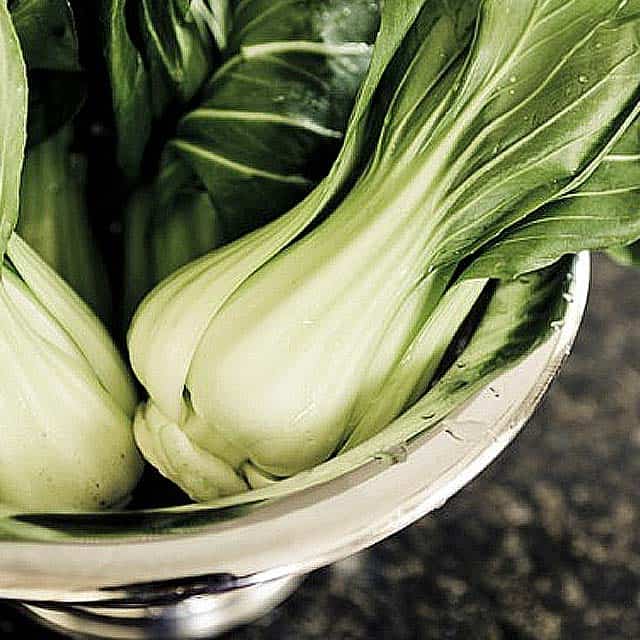
Don’t stop at stir-fries! Fold these sweet, vitamin C-packed leaves raw into salads, slaws or even chicken noodle soup. Try making a simple side dish with mushrooms, bok choy and miso paste.

Collard Greens

This fiber-rich favorite is more versatile than you might think. Try collards folded into your morning frittata or added to your homemade marinara sauce.

Kale

Bursting with vitamin C, kale makes a hearty Caesar salad, brightens vegetable soups, and will even supercharge a pesto. Roast small pieces with a little olive oil, salt and pepper for a light and flavorful snack chip.

Mustard Greens

These vitamin A-filled leaves add a jolt of color and flavor to a meal, complementing meat as well as fish. Try them in braises, curries and pastas too.

Dandelion Greens

These peppery, vitamin K-loaded leaves are best served simply: sautéed in garlic and olive oil and given a spritz of lemon. You can also toss into a salad in place of arugula.

Turnip Greens

If you’ve already used your turnips in another recipe and have a pile of tops covering your cutting board, use these dark, spicy greens as you do kale or collards. They pair well with salty meats, heavy cream or fresh garlic. Or, try a fresh green smoothie for a vitamin-packed breakfast.

Swiss Chard

Chard is a nutritional powerhouse. The stems can be used much like celery, chopped and sautéed to add depth to soups. Use its slightly sweet leaves to class up a pasta dish. (Psst! A little nutmeg adds a special flavor too.) We sell red, green and rainbow varieties at Sprouts.

Spinach

Tied with kale as the most nutritious of all the greens, it delivers more than a dozen flavonoids (anti-inflammatory and cancer-fighting compounds) and half the recommended dose of vision-maintaining vitamin A.

Radicchio

Sometimes bitter is better! Okay, so it’s not green, but this red-leaf Italian chicory is traditionally used in salads. It’s also excellent grilled and drizzled with balsamic vinegar.

Escarole

It may look like romaine, but this bold and bitter green is much more flavorful. It has a delicious nutty flavor and is a wonderful accompaniment to rich meats, a topping for stews or soups, or a wrap for scallops and shrimp. Plus, you’ll find about 65 percent of your daily recommended bone-healthy vitamin K in just half a cup.  
7 Clean Green Foods

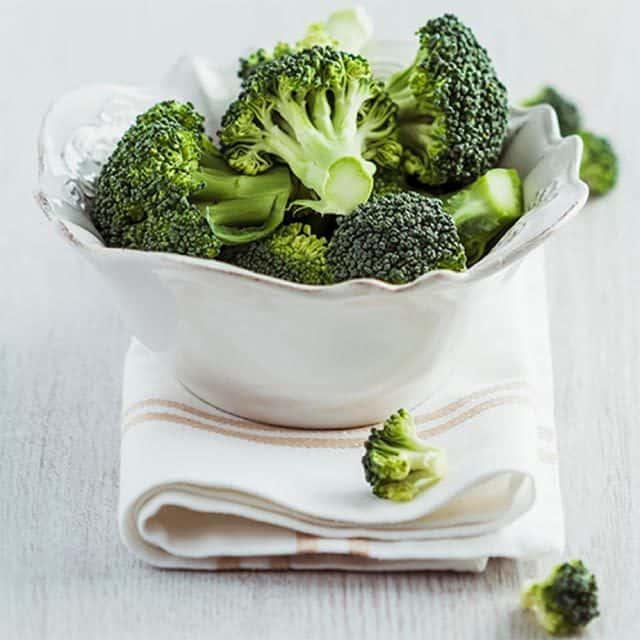
Between green smoothies and colorful salads, green foods seem to be in a league of their own as a healthy choice. It’s a choice that many of us envision our best selves making on a regular basis. What is it about green foods that make it such an important part of a balanced diet?Broccoli To start, the majority of potassium in our diet comes from fresh greens. They’re high in vitamins A, C and E, plus they are a great source of phytonutrients—compounds that protect and boost your immune system. No need to hold back—add to meals and snacks with abundance as green foods are naturally low in calories and free of saturated fats and cholesterol.
  1. Broccoli: This vegetable supports the liver by stimulating bile flow into the digestive tract. Bile helps the body to detoxify and digest fats.
  2. Brussels sprouts: This cruciferous veggie supports the phases of liver detoxification. Packed full of soluble and insoluble fiber, it helps fight disease and keeps you feeling fuller longer.
  3. Cabbage: Another cruciferous veggie low in calories and high in nutrients, cabbage provides a good source of glutathione, powerful antioxidants, and acts as a liver protector as well as helps expel toxins from the liver.
  4. Green tea: Richer in antioxidants than white and black tea, green tea can boost your metabolism and help your body burn extra calories per day.
  5. Powder greens: Made from ingredients like spirulina, kelp, alfalfa, wheatgrass and barley, a scoop of greens added to smoothies or juices offers nutrient-rich health benefits that may protect you from disease and help restore the body’s natural pH balance.
  6. Wheatgrass: Commonly found in powder form, it improves bile movement, may help lower triglycerides, and provides prebiotic fibers that boost healthy bacteria production. Fresh wheatgrass is now available at our juice bars in Sprouts stores.
  7. Mixed greens: An easy and convenient way to make salad, mixed greens can be found in store packaged plastic bags, “clamshells,” and loosely in bulk.  A darker mix contains more antioxidants and nutrients than the lighter-colored varieties.
 

5 Useful Things to Know About GMOs

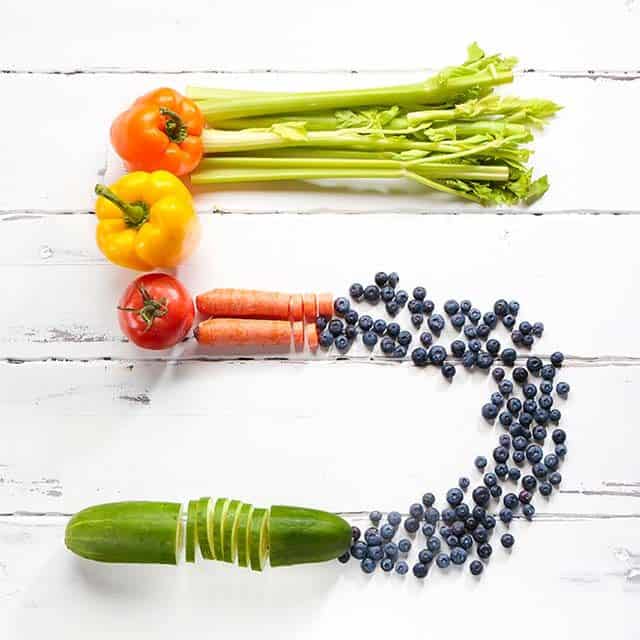
We know you care greatly about the ingredients in your food. However, we get that it can feel overwhelming to know what all the different labels mean. That’s why our culture as a healthy grocer is sharing with our customers the ins and outs of food quality standards. So, let’s start with what GMOs are…Five different vegetables GMOs are any organism whose genetic material has been altered using genetic engineering techniques. The majority of GMO crops (75–80 percent) are engineered for herbicide tolerance (e.g., “Roundup-Ready” crops). Farmers also cannot save GMO seeds, which means they must be purchased each year. Even though the USDA maintains that food with GMOs are safe to eat, there is still debate surrounding inadequate data and environmental safety.

National Standards for Non-GMO

The Non-GMO Project (NGP) is a third-party organization that offers ongoing testing of all at-risk ingredients as well as builds the non-GMO food supply. It is North America’s primary source for independent testing of GMOs at various stages of production, from field to packaging facilities. In the U.S., GMOs are in approximately 80 percent of conventional processed foods. Have you asked yourself, “What’s the difference between the Non-GMO Project Verified and the USA Organic seal?” When a product has the USDA Organic Seal, you’ll know it’s free from growth hormones and antibiotics. USDA Organic standards also prohibit the use of GMOs in farming and food processing.

Here Are Some at-a-Glance Details About GMOs:

  1. Know the most common GMO crops.Remember common GMO crops with two easy mementos. Think of the three C’s—corn, cotton and canola. The other crops can be thought of as the two S’s—soy and sugar beets.
  2. Look for the Butterfly! Labels lend themselves to informed decision making while shopping. Look for the butterfly on the Non-GMO Project Verified label on products.
  3. Remember USDA Organic. Per the USDA National Organic Standards, GMOs are not allowed in certified organic products. Shopping organic can be a smart way to avoid GMOs.
  4. Become familiar with common hiding places for GMOs:  flavorings, vitamins, amino acids, yeast products and high-fructose corn syrup. Reading your labels carefully is a practice that encourages mindfulness and healthy living.
  5. Download the Non-GMO Project Shopping Guide. With the Non-GMO Project Shopping Guide, you can have important information at your fingertips! Download the app to access expansive materials on products, brands, key words, common ingredients and more about the mission of the NGP.