Taking Care of People & the Planet
Waste Reduction
at Sprouts
Reducing waste at Sprouts starts with our team members. Guided by our values of Care and Own-it, teams across our company keep food and recyclable materials out of landfill.
Supported by smarter tools and trusted food recovery and recycling partners, waste sent to landfill per store is now about one‑third of what it was a decade ago.
Food Rescue Program
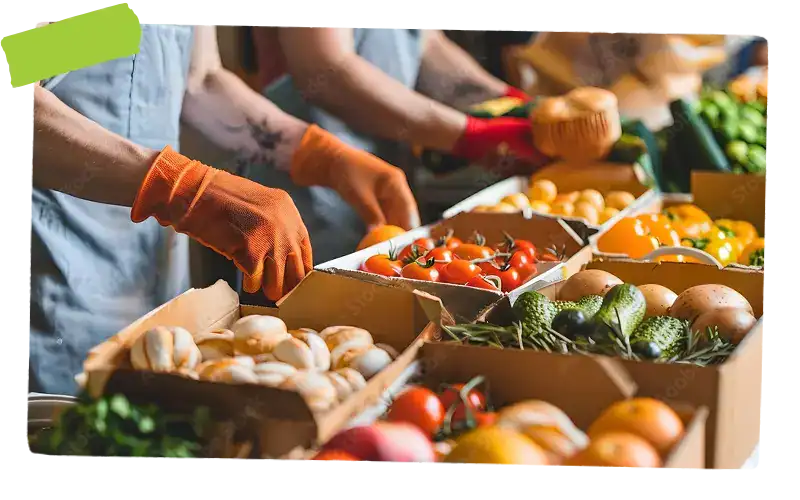
When food can no longer be sold in our stores but is still safe, fresh and nutritious, our stores and distribution centers focus on feeding people first by donating it to local hunger relief partners.
We partner with more than 600 food rescue organizations nationwide—many connected to Feeding America—to help get food back into the communities we serve. Since launching our Food Rescue program in 2013, Sprouts has donated 290 million pounds of food, helping provide approximately 240 million meals to people facing food insecurity.
Food Waste Recycling
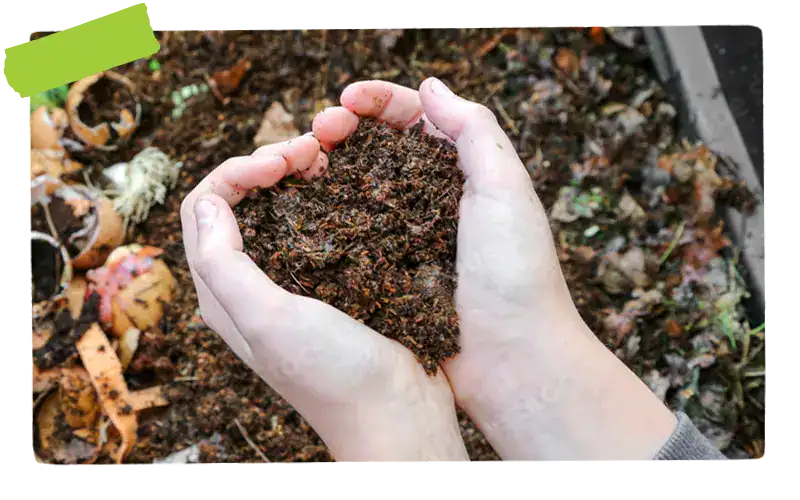
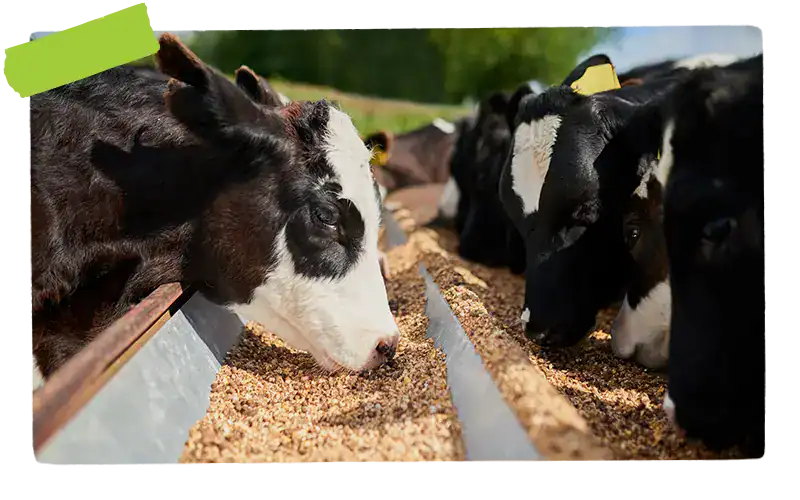
This program plays an important role in reducing waste across our stores, particularly in departments where spoilage or trim is unavoidable. By separating food that can’t be donated and ensuring it’s recycled properly, our teams help minimize landfill waste while supporting local agricultural systems.
Other Recycling & Reuse Programs
Beyond food, our waste reduction efforts focus on keeping materials in use and out of landfill wherever possible. Across our stores and supply chain, this includes recycling materials like cardboard, soft plastics and mixed recyclables — while also expanding reuse models that prevent waste in the first place.
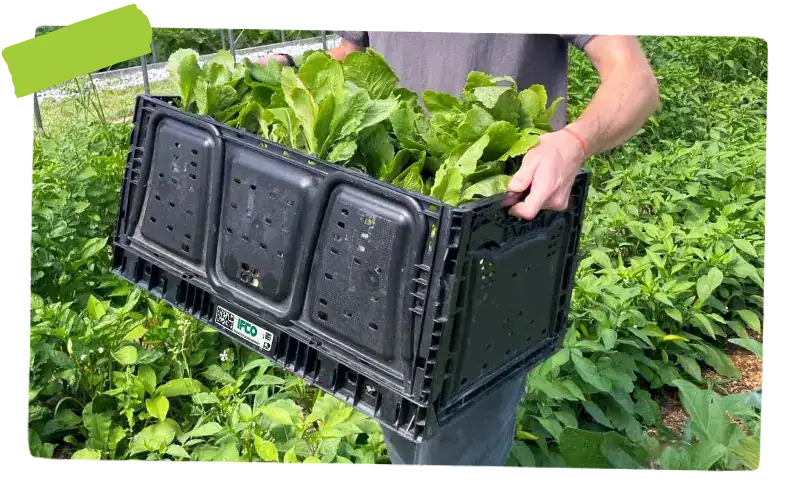
One example is our transition from single‑use wax cardboard boxes to reusable plastic containers (RPCs) for transporting certain products. RPCs are designed to be used more than 100 times before being recycled back into new containers, helping reduce packaging waste and support a more circular supply chain.
Together, our food waste diversion, recycling and reuse programs help conserve resources, reduce waste sent to landfill and support more circular systems.